SPACE December2025 (No. 697)
Bathhouse Iljuk (2024)
DIALOGUE Cho Yoonhee principal, GUBO Architects × Hong Jihak professor, Chungnam National University × Lee Sojin principal, Leeon Architects × Lee Joongwon professor, Sungkyunkwan University × Kim Jeoungeun × Bang Yukyung
Bathhouse Iljuk
Kim Jeoungeun: This FRAME dialogue was planned to examine the recent works of GUBO Architects + Hong Jihak (hereinafter GUBO), exploring the specific characteristics of their projects and their architectural approach, while also discussing their working methods and office management more broadly. Cho Yoonhee (principal, GUBO Architects) and Hong Jihak (professor, Chungnam National University) invited their respective role models, Lee Sojin (principal, Leeon Arhitects) and Lee Joongwon (professor, Sungkyunkwan University), to join this FRAME. We thought it would be valuable to address the questions and unfinished conversation points that arose during the site visits. Let’s begin with an introduction to the Bathhouse Iljuk (2024), which we could not see in person as access to outsiders is restricted.
Cho Yoonhee: Bathhouse Iljuk was conducted as part of a corporate social responsibility project by INNOCEAN, an advertising agency. Bathhouses in rural areas serve as spaces where residents can recover their health and act as important community facilities, yet they are surprisingly prone to safety accidents. For the primary users, older adults, rapid changes in temperature and humidity can lead to cardiovascular incidents. With the aim of preventing ‘heat shock’ and creating a ‘safe bathhouse’, we participated in a remodelling project of an existing bathhouse in Anseong that had been operating for 26 years.
Lee Joongwon: I understand the project involved remodelling a single floor of about 60 pyeong combining the men’s and women’s baths. What specific architectural proposals were made to ensure safety?
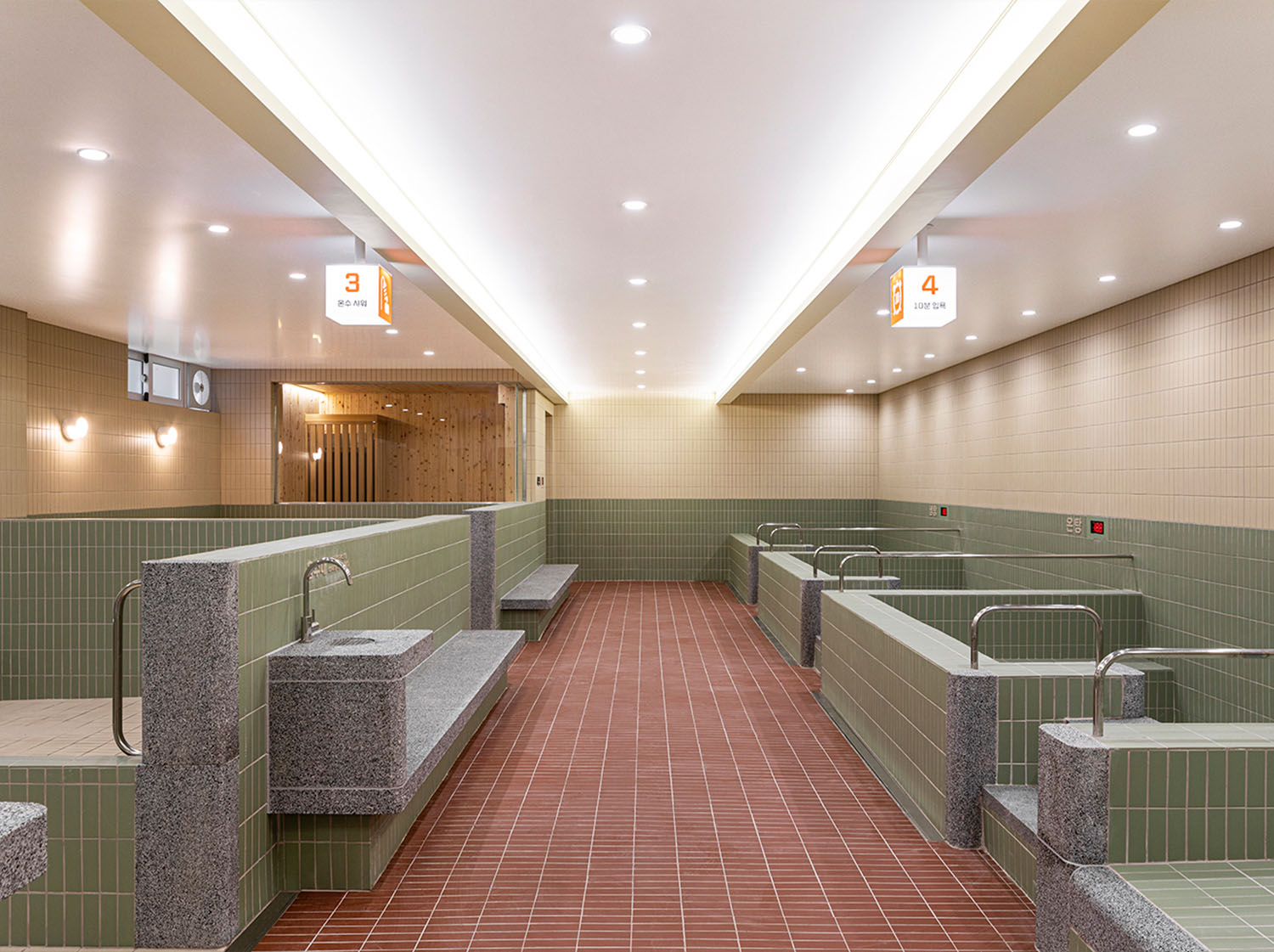
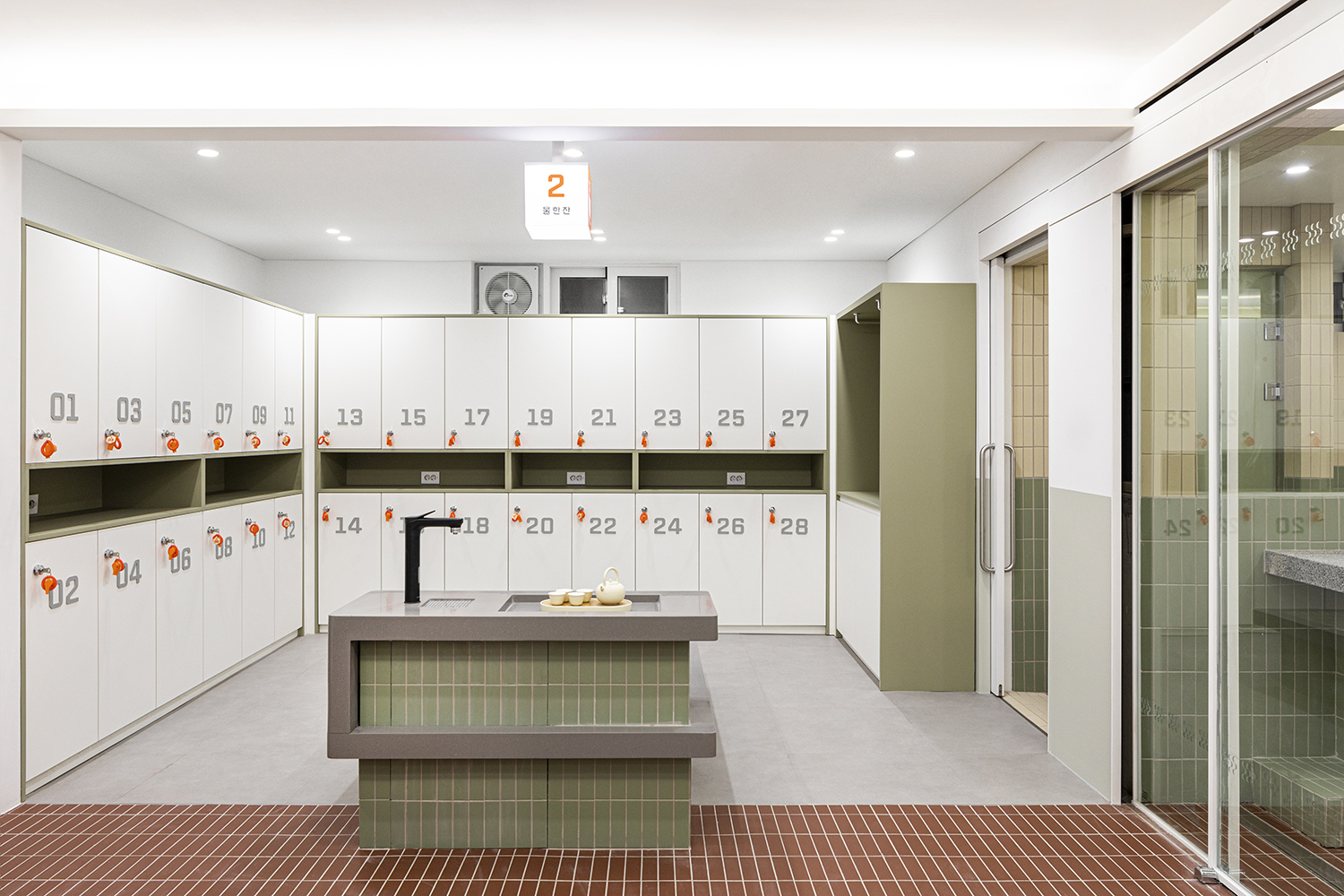
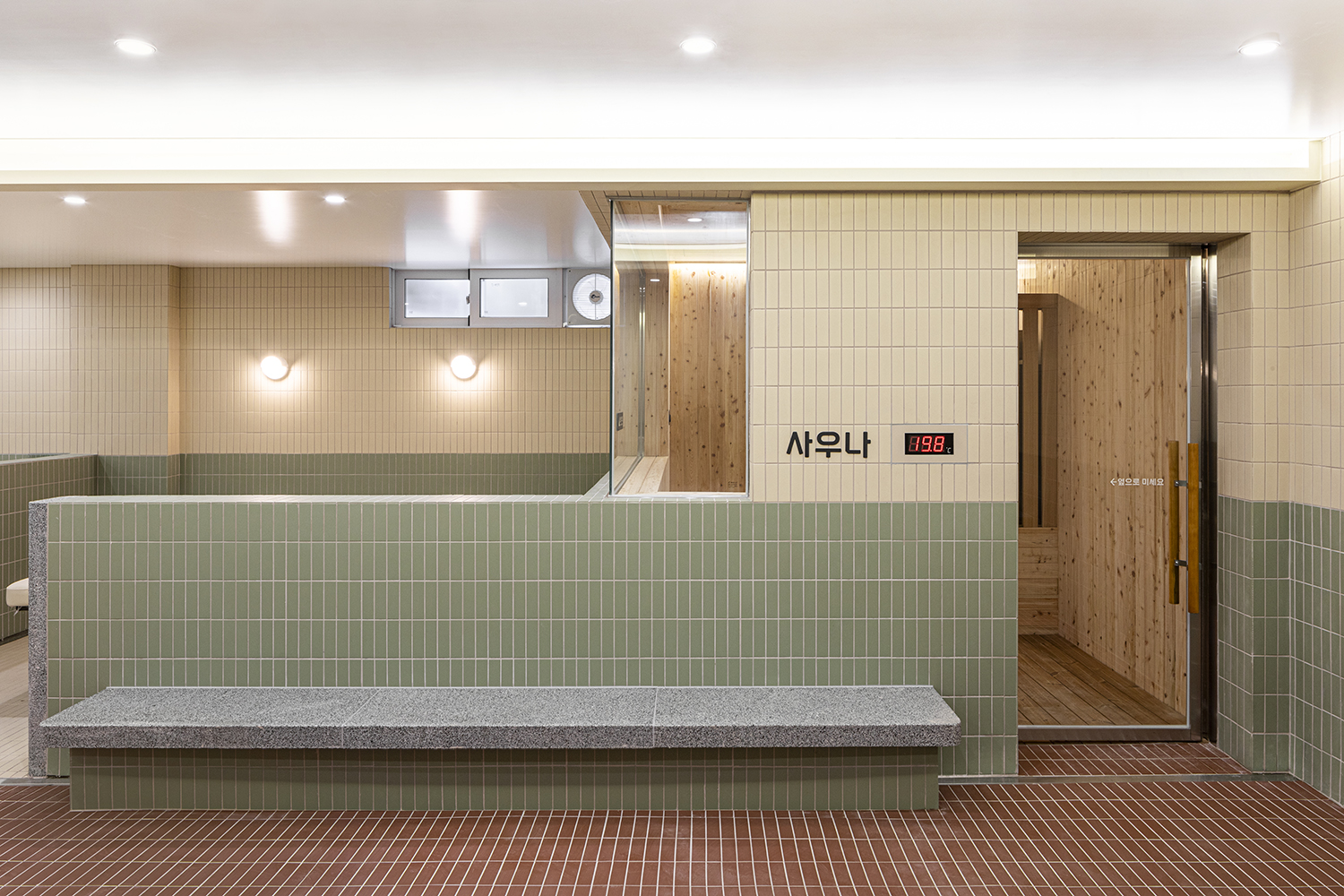
Cho Yoonhee: Generally, public bathhouses are divided into changing rooms and bath areas. Both are indoor spaces, but they are often drafty, feeling cool when wet, and moving between the two spaces exposes users to abrupt changes in temperature and humidity. To mitigate this, we proposed a buffer space called the ‘warming-up zone’. This zone gradually increases the temperature as one moves from the corridor to the changing room and from the changing room to the bath, allowing the body to adapt. The changing room, cold bath, hot bath, and sauna were arranged around the warming-up zone, and underfloor heating was installed so users could move comfortably even without clothes on.
Bathhouse Iljuk (2024)
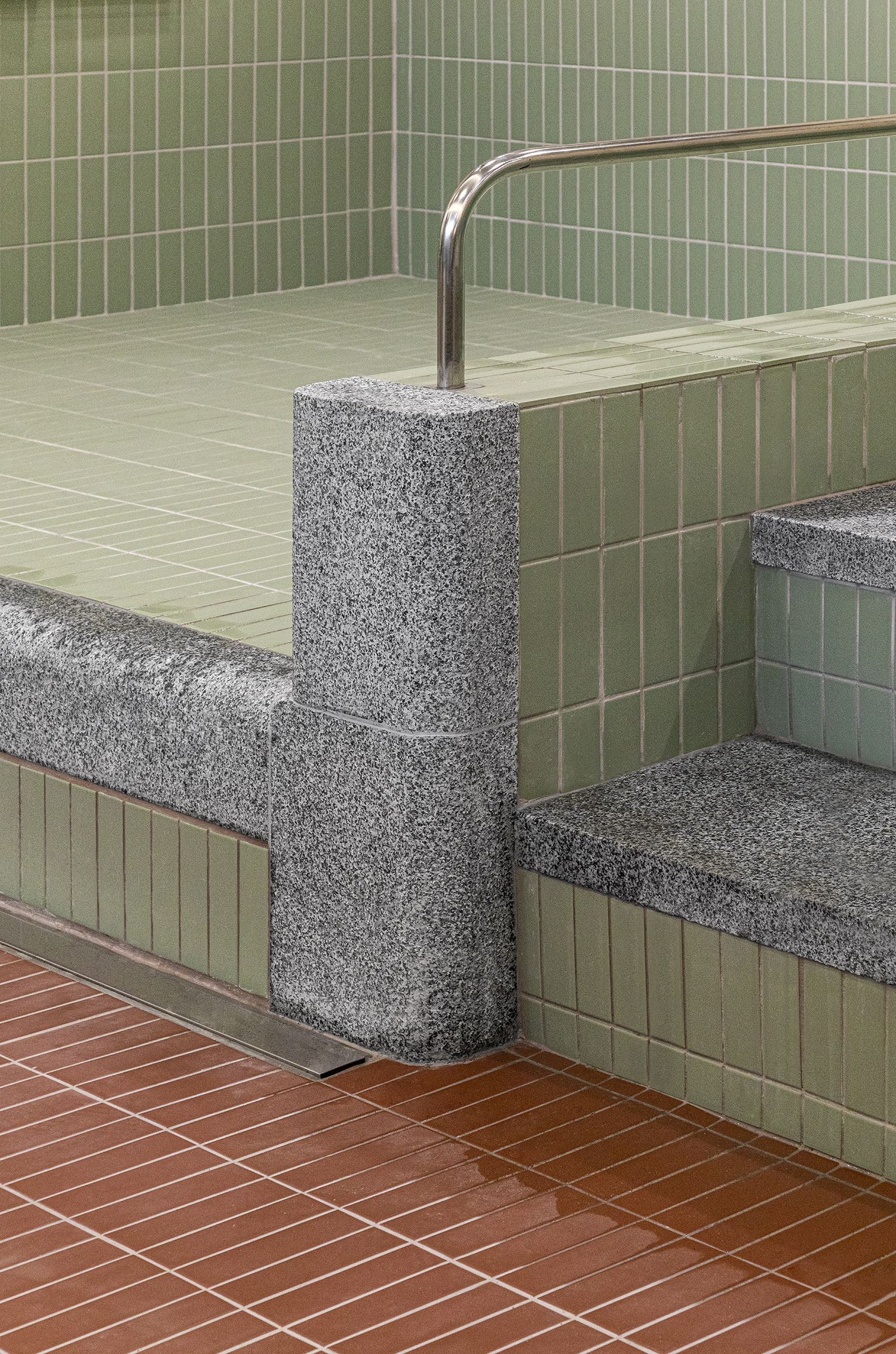
Hong Jihak: Various other details were proposed to enhance safety. Shower booths and other facilities were lowered to 1.2m-high to ensure staff could easily observe potential accidents, and drinking fountains were installed in both the changing rooms and bath areas to prevent dehydration. Benches were placed beside the fountains for rest, and all corners were rounded to prevent injuries. The floor of the warming-up zone used ondol heating, and its slope was doubled to improve drainage and drying. The interior was finished with green tiles, the complementary colour of skin tones, to make people easily identifiable, and we personally tested multiple green tile samples with soap and water to ensure slip resistance.
Lee Sojin: Since this was a project planned by INNOCEAN, what role did they specifically play?
Cho Yoonhee: They collaborated with us on user behaviour patterns from ticketing to the exit, focusing mainly on experience design that older users could easily perceive, such as signage. Kiosks were placed to check health indicators like blood pressure and body temperature before bathing, and a rest alarm sounded every ten minutes inside the bathhouse. Large fonts were applied to lockers and signage. Honestly, we wouldn’t have thought to make the signage that large! (laugh)
Bathhouse Iljuk (2024)
Kim Jeoungeun: How was it working with a specialist planning team? How did it differ from your typical design process?
Cho Yoonhee: Participation was easier because the client had already completed the project planning. The role of the design team was clear: to support the functional safety requirements of the client. Having INNOCEAN handle the planning saved design time and reduced the pressure on the outcome, as decisions were made collaboratively with a professional team. Thanks to the client’s active promotion, the project even won a Red Dot Award, which highlighted the power of strategic marketing. Conversely, it also made me realise that architects are often not well-versed in these aspects.
Hong Jihak: Previously, we tended to drive projects according to our own intentions and were hesitant about collaboration. However, with Bathhouse Iljuk, we learned it was acceptable to approach collaboration more flexibly. Nowadays, during meetings with clients, we sometimes suggest considering external consulting or professional planners rather than relying solely on the architect. It’s a significant change in direction for us.
Bang Yukyung: Did you encounter any challenges during the project?
Cho Yoonhee: The tight schedule was the most difficult aspect. The design took two months and construction three months, so everything had to be completed in five months. The operator of the bathhouse insisted that the work must be finished before the peak season of kimchi-making for the winter, leaving no room to delay. We participated out of sympathy for the project’s purpose, but balancing the needs of multiple stakeholders made the process challenging.
Kim Jeoungeun: It seems that in public projects, the role of mediating between various stakeholders is especially important.
Lee Sojin: Mediation is important, but more crucial is keeping your own stress levels manageable. Architects who regularly work on public projects often appear unflappable; they’re not easily shaken. If someone is prone to stress, it’s difficult to sustain such a working life over a long period.
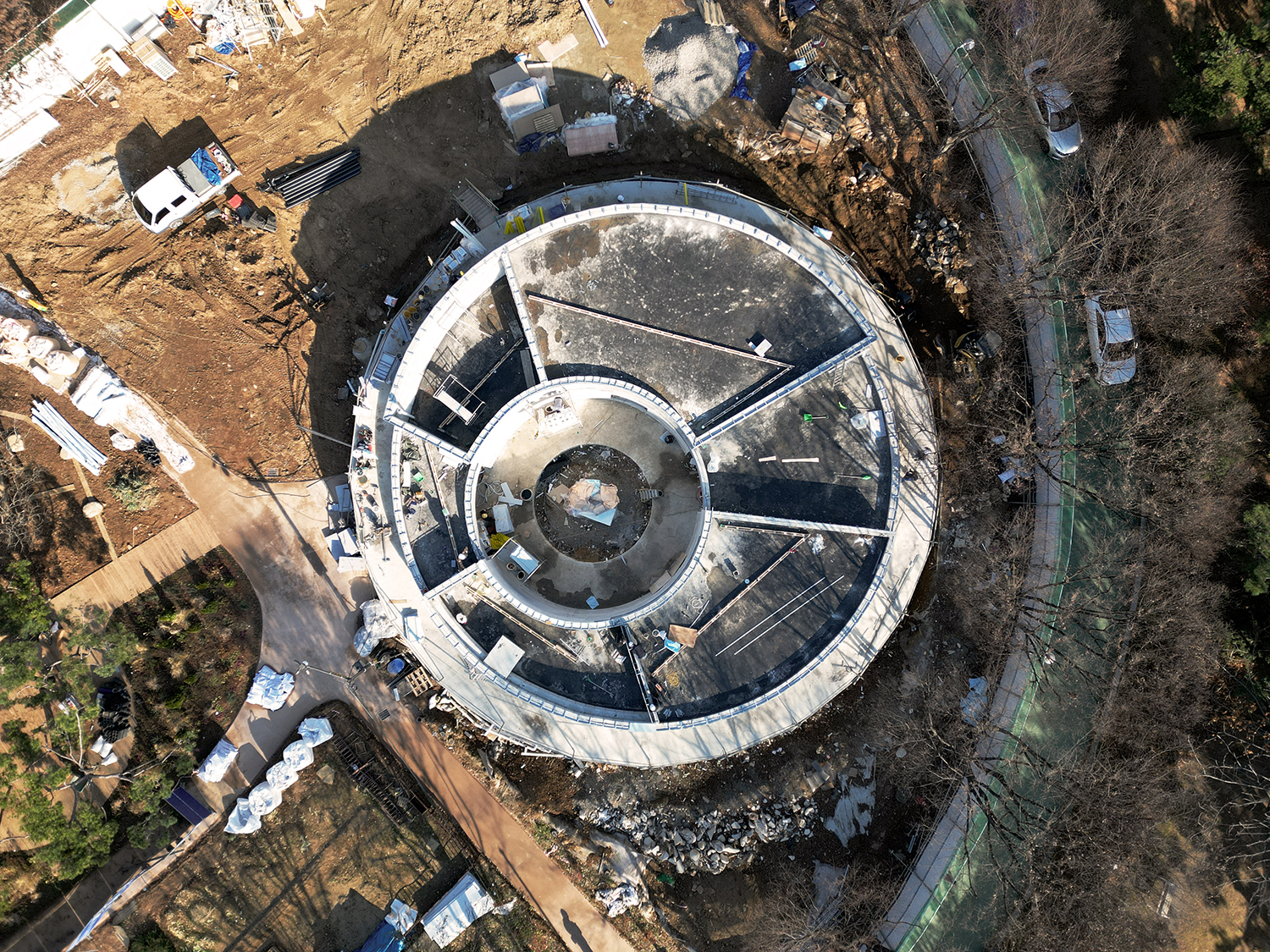
Sinteuri Park Indoor Playground(2025) ©Roh Kyung
Sinteuri Park Indoor Playground
Kim Jeoungeun: Let’s move on to another public project, Sinteuri Park Indoor Playground (2025, hereinafter Sinteuri Playground). I understand this design competition project faced several twists and turns before it was realised.
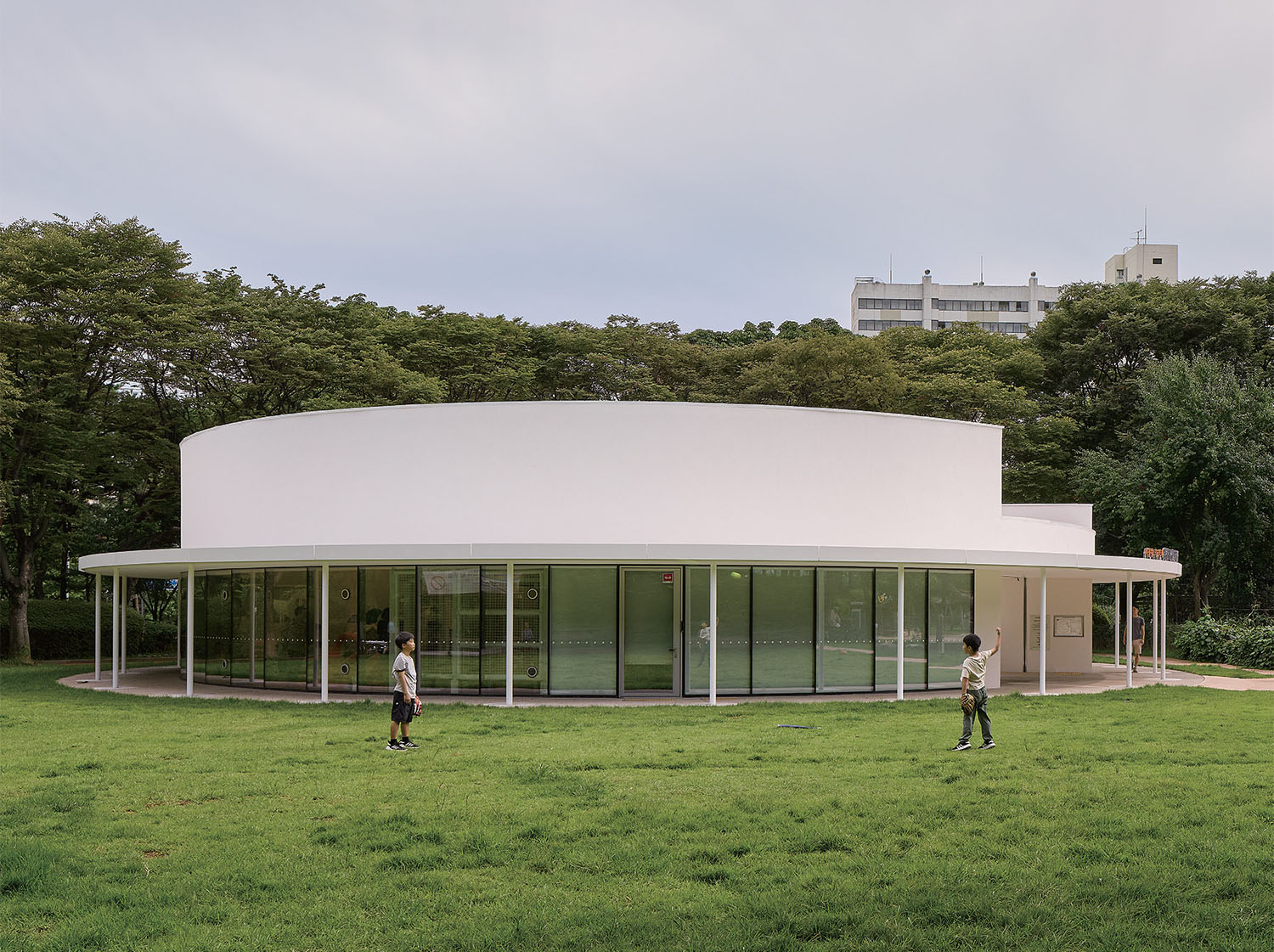
Hong Jihak: Sinteuri Playground was part of a park remodelling project in Yangcheon-gu Office. The location for the café was determined in the original master plan for the entire park. Since the park plan was based on a circular concept, we were asked to design the building in a circular form, which we did from the outset. However, when the park master plan was scaled down, only our designed building remained unexpectedly.
Lee Sojin: It’s unfortunate that the master plan wasn’t fully realised, but the current state of the park still looks quite good. The building sits simply, with no excess, which actually makes it harmonise well with its surroundings.
Lee Joongwon: What was the main focus when conceiving of it as a circle, and what changes were made to the design after the master plan was reduced?
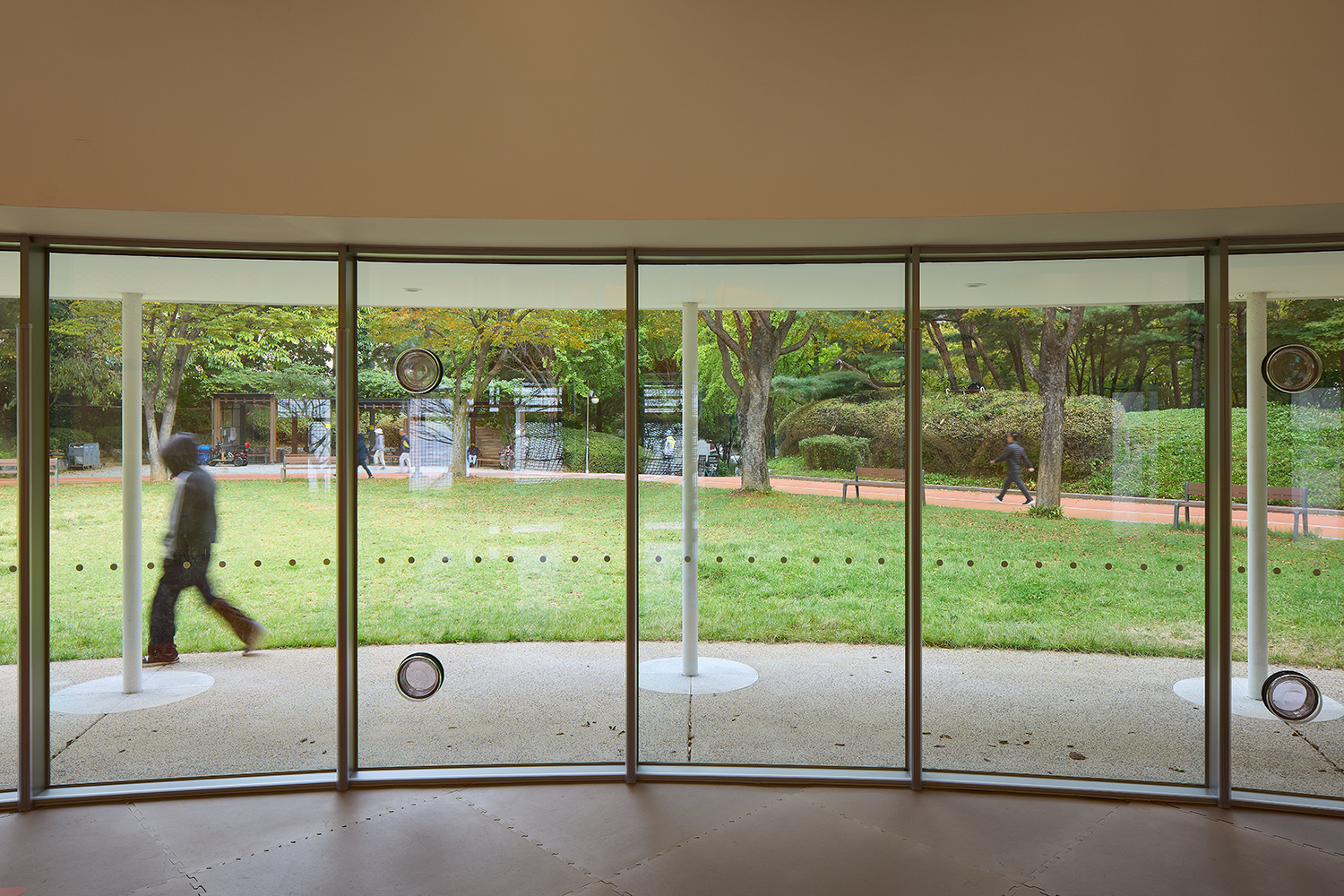
Cho Yoonhee: As with Eco-Space Yeonui (2022, covered in SPACE No. 677), the key issue was how the building within the park would be able to form a close relationship with the park itself. In the design brief, we even described it as ‘architecture without façade’, because it is built on an open lawn with no defined direction, making the circular form appropriate. We placed a large panorama window toward the lawn indicated in the original master plan and extended a wide eave in the front, envisioning a seamless connection between the building’s interior and exterior and the park.
Hong Jihak: When the park plan was canceled, the greenery and facilities planned in the master plan disappeared, but we felt that the building we designed wasn’t in conflict with the existing landscape. Therefore, we retained the original form but rotated the circular layout to align with the current park circulation and considered how to create connections to the park through indoor sightlines and the central corridor.
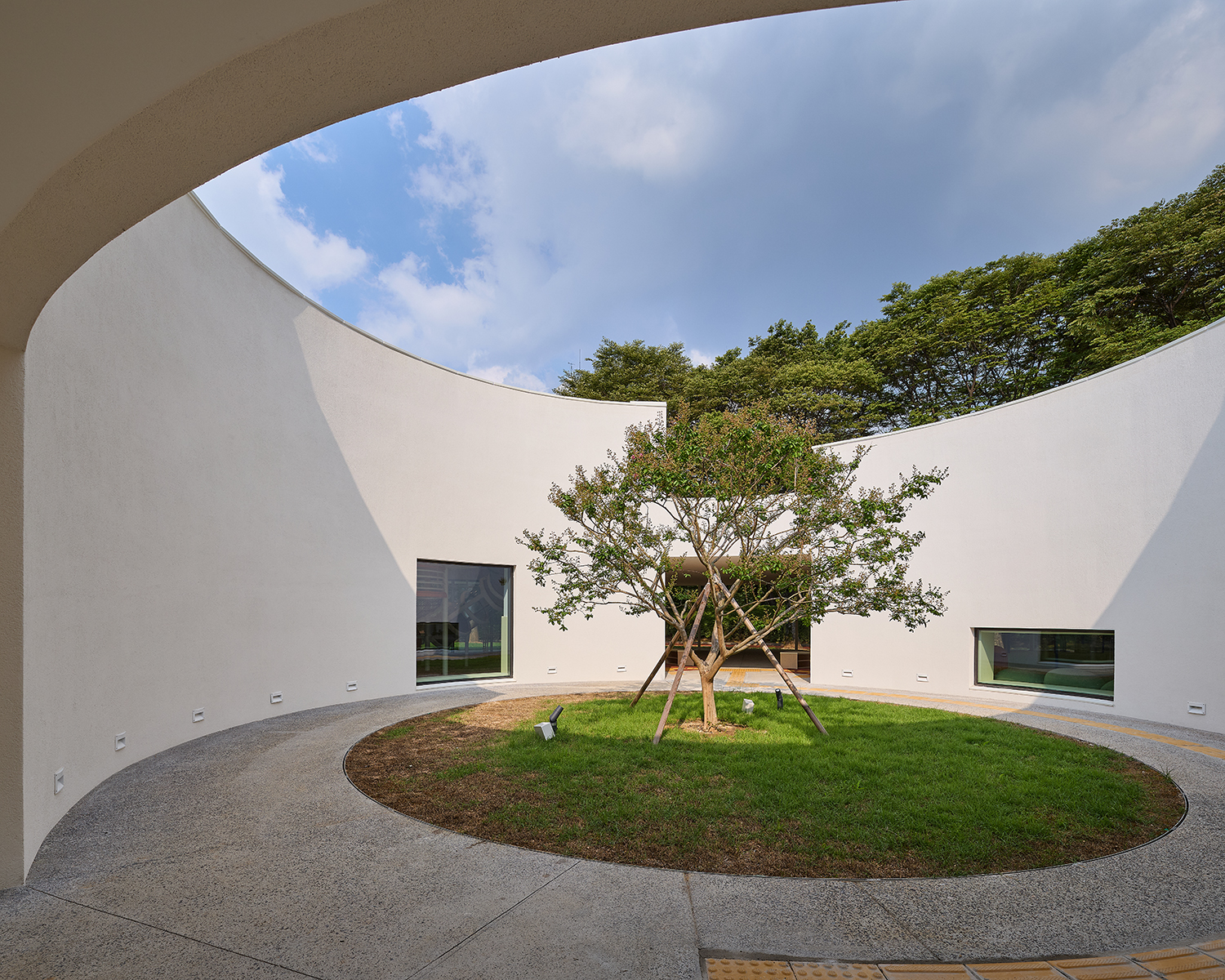
The courtyard of Sinteuri Park Indoor Playground(2025) ©Roh Kyung
Lee Joongwon: From a formal standpoint, the plan is composed of three circles—the courtyard, the exterior wall, and the eaves line. What was the intention behind placing only the courtyard off-centre?
Hong Jihak: Since the circular form was decided from the start, we experimented with arranging the rooms within it. Other geometries didn’t work as well. We conceived a donut-shaped space with a band-like circulation around a central void. However, when we aligned the building and courtyard centres, the circulation around it felt monotonous. The functional areas also varied in size, and a uniform width caused dead space. Shifting the courtyard off-centre allowed for more varied interior widths, effectively supporting functional division of the rooms.
Lee Joongwon: What was the reason for resolving the courtyard exclusively as a circle, rather than exploring other forms?
Hong Jihak: It was a small-scale project, and introducing a new system would have complicated things. We prefer simplicity and wanted a single architectural language from start to finish, without mixing too many elements or systems. We also considered structure simultaneously from the outset. We felt it was natural for beams to radiate outwards from the circular courtyard and stretch to the building’s edge, where they would be supported by columns. Because we saw the building as serving a passage-like role within the park, we imagined a circulation that would move around the circular courtyard.
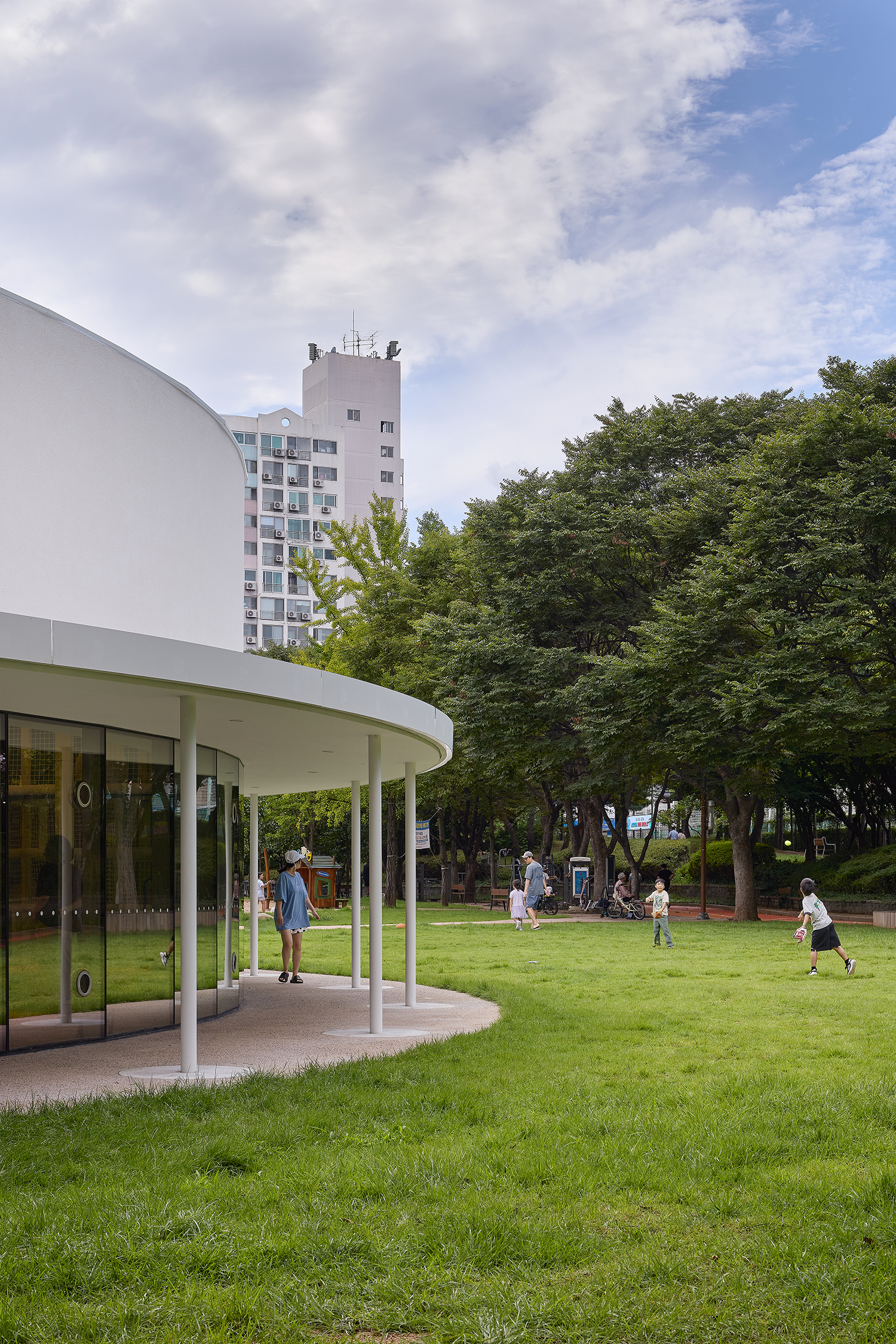
Sinteuri Park Indoor Playground(2025) ©Roh Kyung
Lee Joongwon: Placing the courtyard eccentrically inevitably creates various acute angles where it meets the interior walls. The building system is simple, yet the construction becomes more complicated—isn’t that the case?
Hong Jihak: Sharp observation, and yes, that’s our weakness. (laugh) Our design intent is simple and clear, but due to lack of construction expertise, builders often comment, ‘It looks simple, but when actually constructing it, it’s very complex.’ Designing buildings that read clearly on site remains an important challenge for us.
Cho Yoonhee: Adopting the eccentric layout did allow us to respond to functional needs, but it also created irregularities that reduced plan efficiency. Nevertheless, since the building functions as a pavilion within the park, we felt justified in prioritising architectural value. This wasn’t a tightly programmed, revenue-driven project, so accepting a degree of inefficiency allowed us to pursue logical consistency in architecture.
Lee Sojin: That’s precisely what makes this project so interesting—the park context provides strong justification for the design.
Cho Yoonhee: Lee Sojin describes it as ‘justification’, but I also see it as a positive factor in terms of architectural diversity, so I don’t feel any guilt. Architecture that prioritises efficiency is necessary, but public architecture like park facilities should also provide opportunities to experience the opposite approach. It is meaningful to reveal that architectural value varies depending on the situation in which it is created.
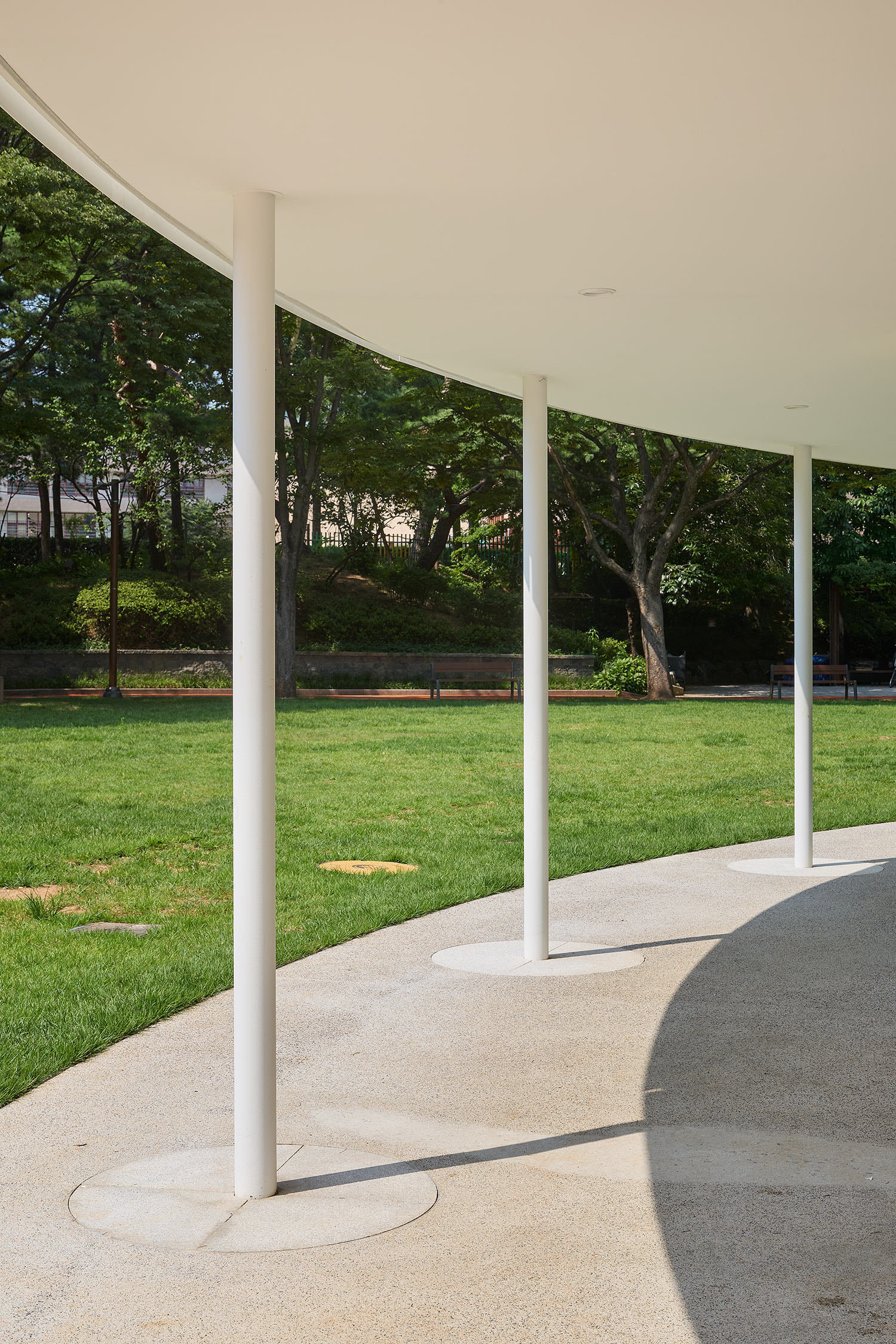
Sinteuri Park Indoor Playground(2025) ©Roh Kyung
Abstraction and Concreteness
Lee Joongwon: As seen in Bathhouse Iljuk, GUBO’s principles convey a humanist approach—a very specific sensibility considerate of people. Yet the ‘logical consistency’ you just mentioned feels quite abstract. In your work, when does abstraction intervene, and when does concreteness take over?
Cho Yoonhee: I think, at a fundamental level, we are people who pursue abstraction. It’s not that one is more important than the other, but without abstraction, I don’t feel I can call myself an architect. What I seek is abstraction that we hold onto, yet does not overpower reality—abstraction that settles into the real so naturally that one might not even notice the compromise. That is what I aim for. To create work that engages professionals like us while also avoiding discomfort or displeasure for the general public, we have to do it well. We can’t burden the city in the name of the values we pursue. That’s what we struggle for, and to pursue both goals at once, you have to internalise things through the body and accumulate experience over time—which is why architecture feels so difficult.
Bang Yukyung: From that perspective, among GUBO’s recent works, Sinteuri Playground reads as the most abstract. One can sense a will saying, ‘GUBO can do this, too.’ Even looking at the white walls surrounding the courtyard, it feels like another world was intended inside.
Sinteuri Park Indoor Playground(2025) ©Roh Kyung
Kim Jeoungeun: It is the park’s only inward-facing space. With few windows and a single crape myrtle in the centre, it forms a quiet yet poetic space.
Cho Yoonhee: Since the building was open to the park on all sides, we opened panoramic windows outward, leaving only the courtyard as an intimate space. Our previous project, Eco-Space Yeonui, was a case where our commitment to abstraction was well realised. Elements such as structure, space, and materials were integrated under logical consistency, but because it was in a park, we could design more freely. Yet in reality, I am a client-oriented architect. If a client says, ‘I dislike red bricks,’ I propose, ‘How about black bricks?’ (laugh) I give up what doesn’t matter to me and keep reconsidering what I can carry forward, navigating between abstraction and concreteness.
Hong Jihak: Our discussion also makes me realise that our attitude differs when dealing with private and public projects. In private projects, implementing our ideas requires persistent persuasion of the client, a skill we haven’t fully developed. So rather than arguing over every detail, we try to respect their opinions. Public projects, on the other hand, offer more freedom. Clients of the public projects are generally more concerned with whether the project is completed within the given timeframe and budget. Thus, in public projects, we lean toward abstraction, whereas in private projects, we adopt a more concrete, user-centred approach—a kind of dual attitude.