I AM AN ARCHITECT ‘I am an Architect’ was planned to meet young architects who seek their own architecture in a variety of materials and methods. What do they like, explore, and worry about? And how are architects in various regions expanding their own worlds in different ways? SPACE is going to discover individual characteristics of them rather than group them into a single category.
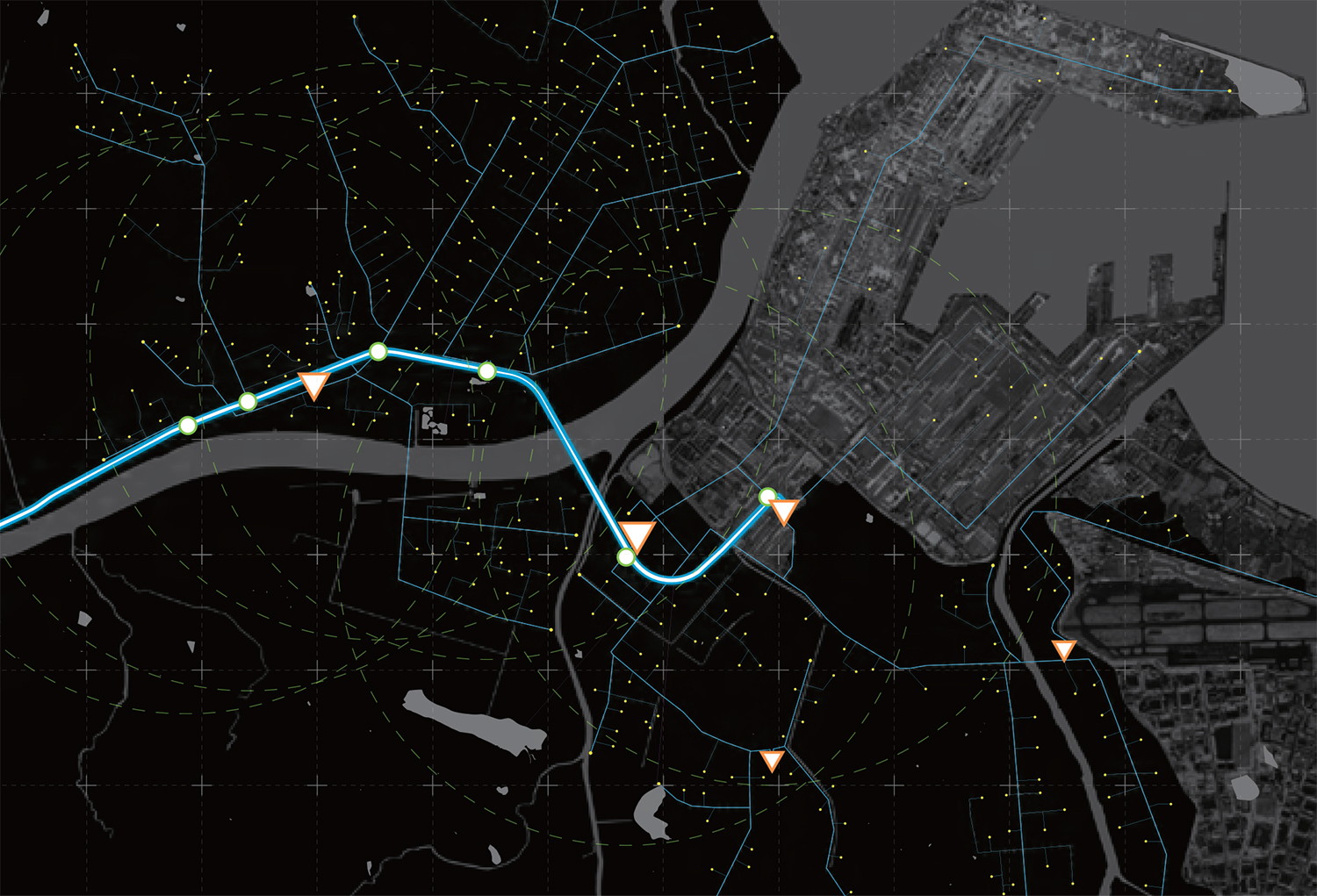
An energy mobility scenario and a map of the subterranean logistics network strategy in Pohang, developed as part of Alternative-city Idea Competition 2022
interview Dongwoo Shin Associate Partner, Archicolony × Kim Hyerin
The Journey of Architectural Curiosity
Kim Hyerin (Kim): You graduated from University of Ulsan in 2013 and then went to study abroad at Delft University of Technology (TU Delft) in the Netherlands.
Dongwoo Shin (Shin): There are well-known architectural firms that come to mind when thinking of Western Europe, but they weren’t the reason I wanted to go to the Netherlands. As an undergraduate, I was curious about the analysis of design, but I had a slight resistance towards diagrammatic explanation and expression privileged by offices like Bjarke Ingels Group (BIG) and MVRDV. At the time when I was being educated in Korea, design research was emphasised. Many said that without this kind of analysis, one could not practice architecture. I wondered, if this is the method that determinates every architectural form and logic, then maybe I would not be able to practice architecture in this way. I wanted to find out whether the architectural education I had received was the only possible approach. After deciding to study abroad, I searched various programmes and found that TU Delft offered a specific track called Method and Analysis in the Master’s programme. I wasn’t entirely certain, but I felt I might be able to trace the thread of my thoughts there. In the end I chose another track called Architecture and Public Building instead. Interestingly, I met people who thought in a similar way. Diagrams have a tendency towards the simplification and typification of phenomena or objects because they prioritise efficiency or objectivity. However, in reality, not everything can be explained simply. Casual relationships are not always clear, and behind them lie complex issues. We focused on what tools of analysis and representation we should use if we wanted to look at problems from different perspectives and overcome them. One of those alternatives is mapping, an area in which I have been continuously conducting research.
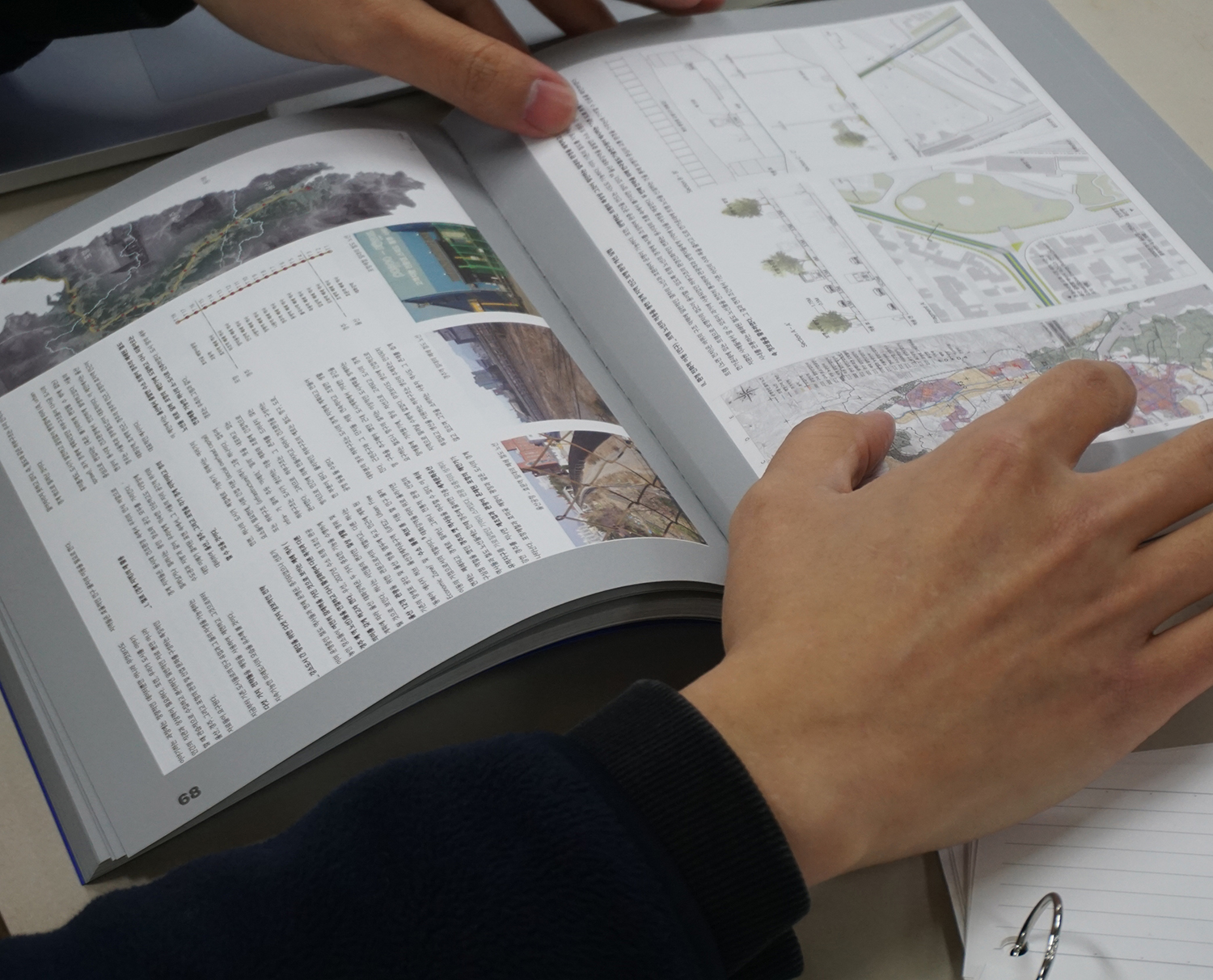
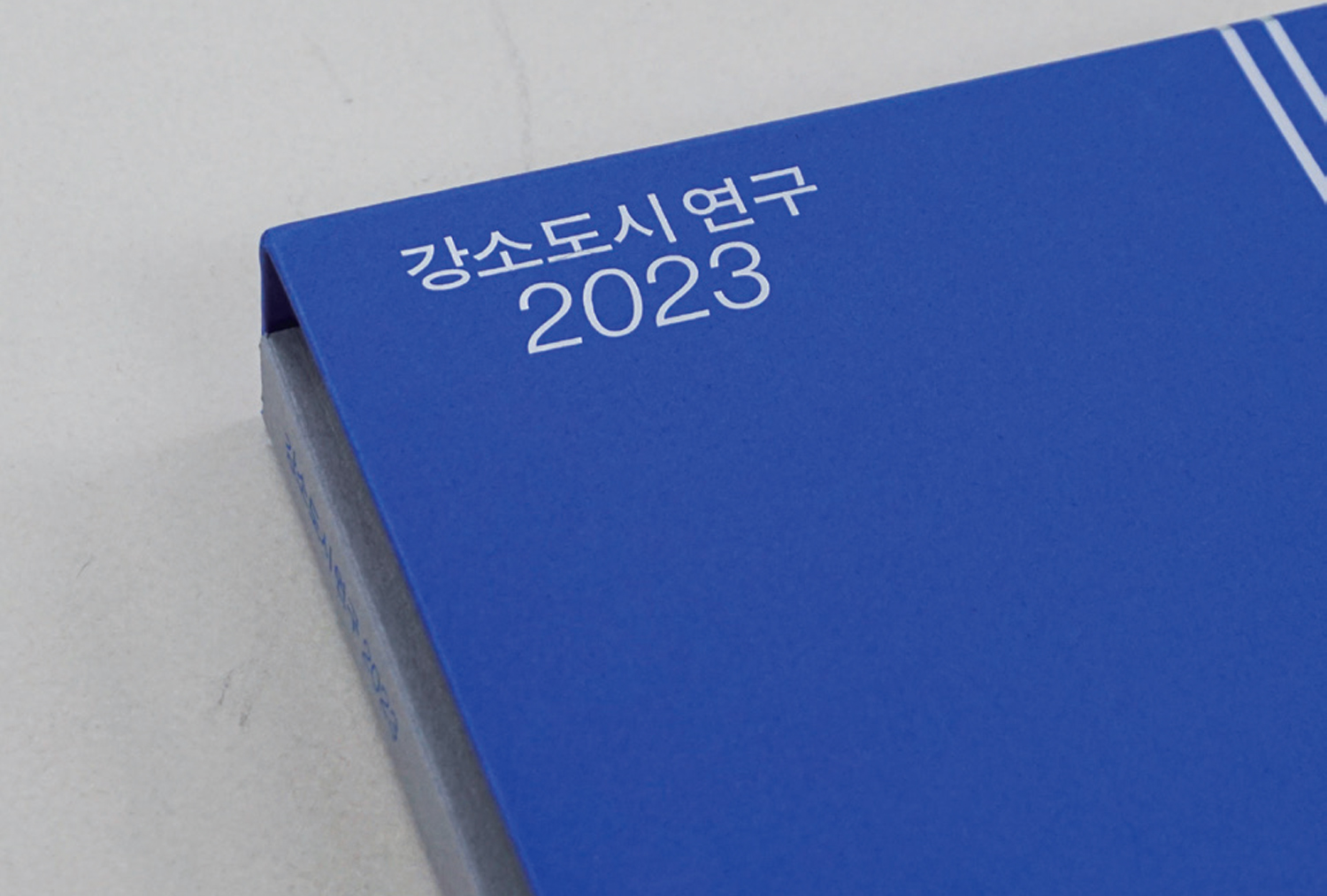
Alternative-city Research 2023, this publication presents the research developed for the Alternative-city Idea Competition 2022, where Choi Jungwoo and Dongwoo Shin received a joint third prize.
Kim: How was architectural education in the Netherlands? Shin: I think it might be more characteristic of TU Dleft than something specific to the Netherlands. I heard that in 2008 there was a fire that completely destroyed the building of the Faculty of Architecture. After that, due to safety regulations, the university closed after 10pm. In Korea, as well as in the U.S., buildings with their lights on all night often symbolise the culture of the architectural field. At TU Delft, the cleaning staff would put silent pressure on you to leave by 10pm. It forced me to become very good at time management. I usually stay up late, but I started waking up at six in the morning, biking to school, working on assignments during the day, and returning home at ten.
Kim: Did you ever think about continuing to work in the Netherlands?
Shin: I would still like to study more or live in the Netherlands, but it’s hard for me to imagine myself working as an architect and living there. At that time there were no architectural firms in the Netherlands that worked with a mindset similar to mine that could satisfy my curiosity.
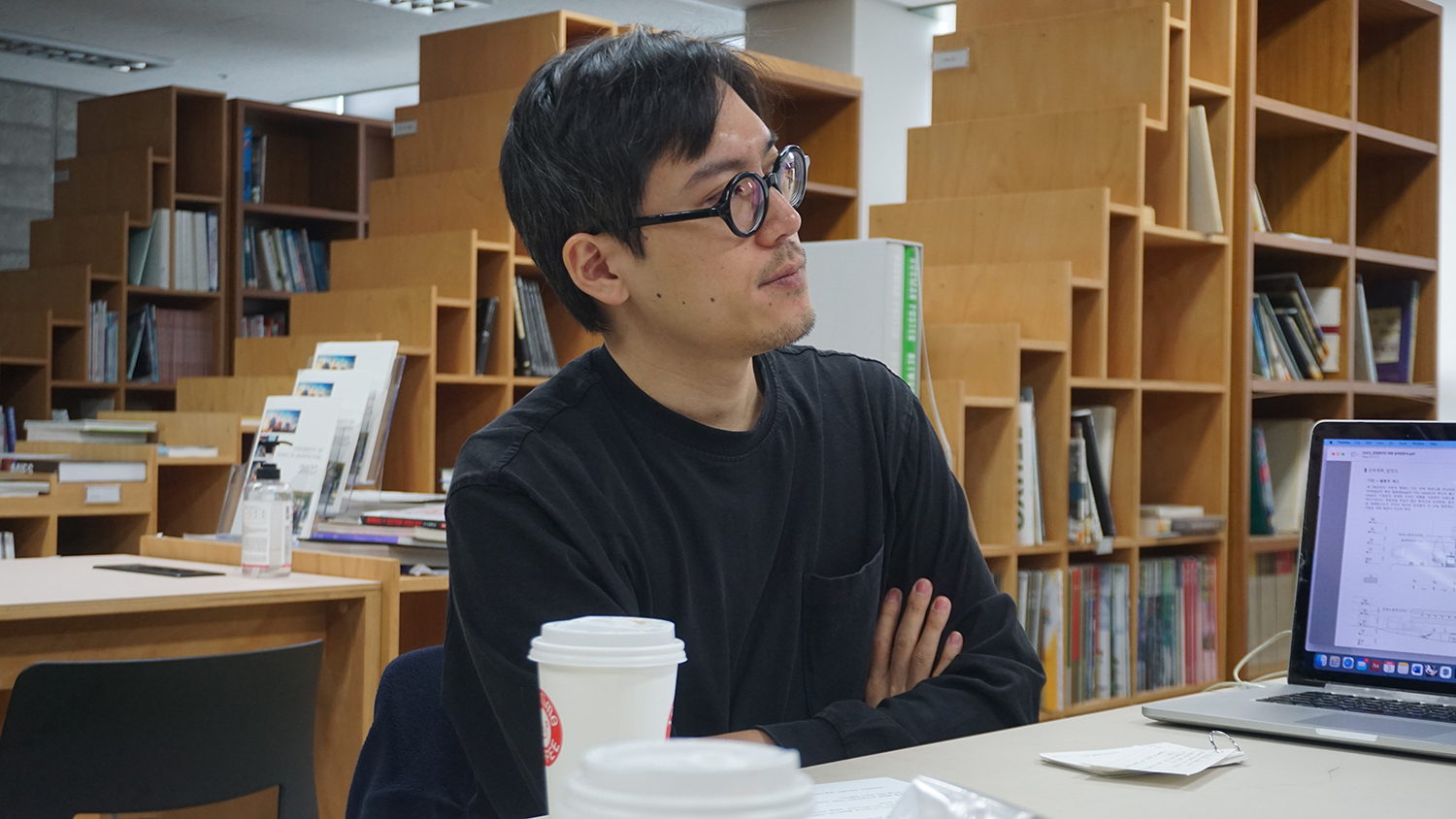
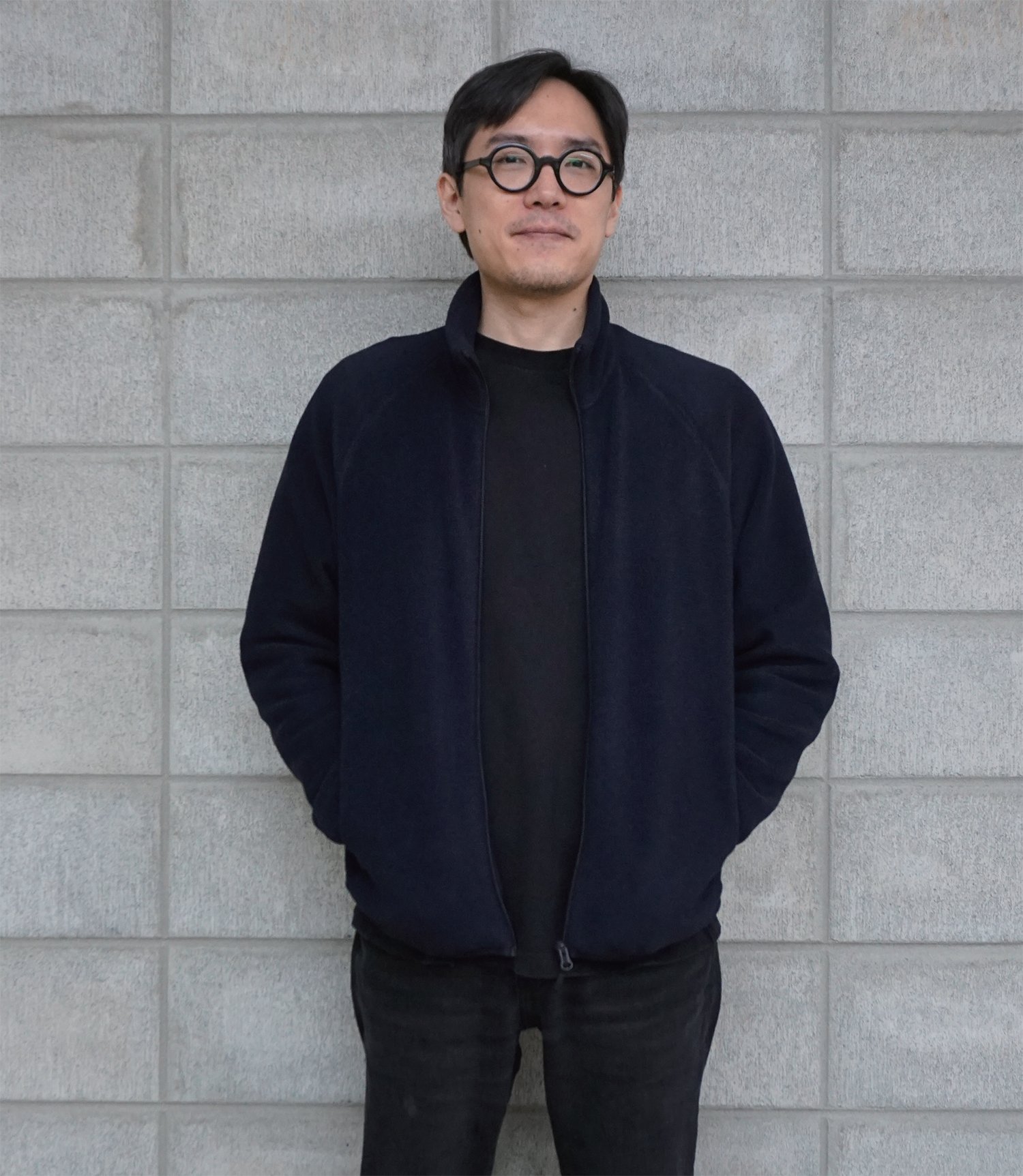
Dongwoo Shin
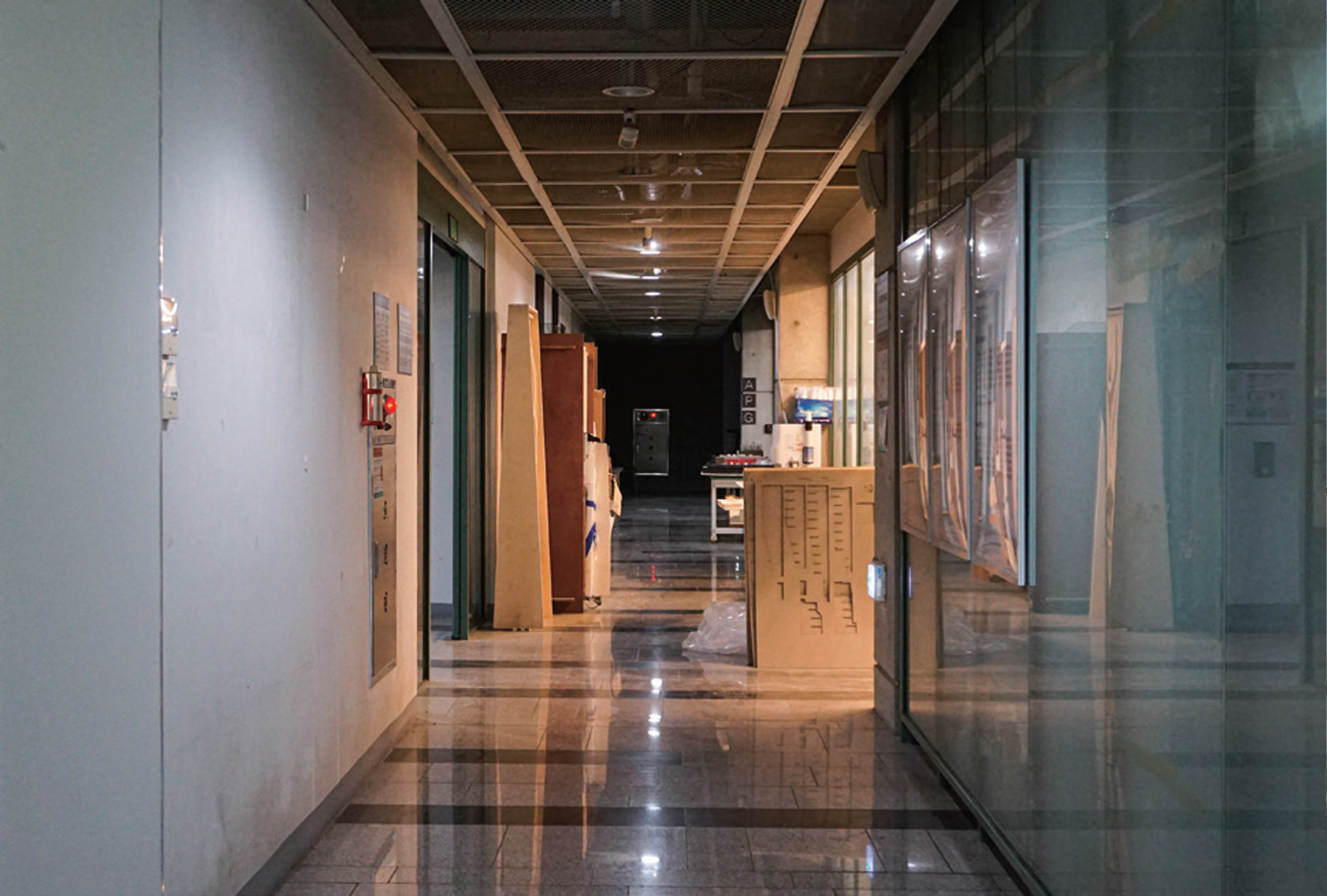
Architecture Building at the University of Ulsan where the interview took place
Separately, but Together
Kim: Could you describe the trajectory of your career since returning to Korea after studying abroad?
Shin: I returned to Korea at the end of 2018. Since then, I have worked as a freelancer, collaborating with various firms and taking on commissioned projects. Then, when the Coronavirus disease-19 led to lockdowns, I thought of that time as a good opportunity, maybe because I’m an introvert. I worked as a freelancer remotely while also preparing a PhD proposal by exchanging emails with my studio tutor in the Netherlands. Then, one day, my former Professor Yoo Myounghee contacted me. She told me that the architecture programme at University of Ulsan needed to fill in a Studio Critic position and suggested that I apply. I prepared the documents and applied, and that’s how I began teaching a first-year basic design studio. Later, I joined Archicolony, an office founded by Lee Eunho, my university junior, as Associate Partner.
Kim: What kind of place is Archicolony, where you are currently working as Associate Partner? Shin: It’s somewhat different from a typical architectural office. Usually, everyone gathers in a single space and works together. Lee Eunho, on the other hand, does not think architectural work must be done only when everyone is in the same space. He belives it can be done anywhere. He wanted to carry out projects not only within the office but also in collaboration with offices abroad or in other regions. I heard that this is why he named the office Archicolony. Another aspect of the office culture is that we avoid unnecessary overtime. When designing, it’s common to produce multiple options. Often, even a week or two before the submission deadline, teams end up discarding their design and starting over. We try to avoid that kind of process. Instead, we spend enough time thinking carefully about a single proposal and consider the variables wihtin it. Once the direction is set, we don’t go back. I first brought up this process when I started working with Lee Eunho, suggesting it might be a better approach. I think this was influenced by my studies at TU Delft, where they didn’t necessarily give high marks for simply producing many options. Instead, they would ask for your own opinion. Lee Eunho agreed, and we decided to make this our office culture. The staff seem to appreciate it. (laugh)
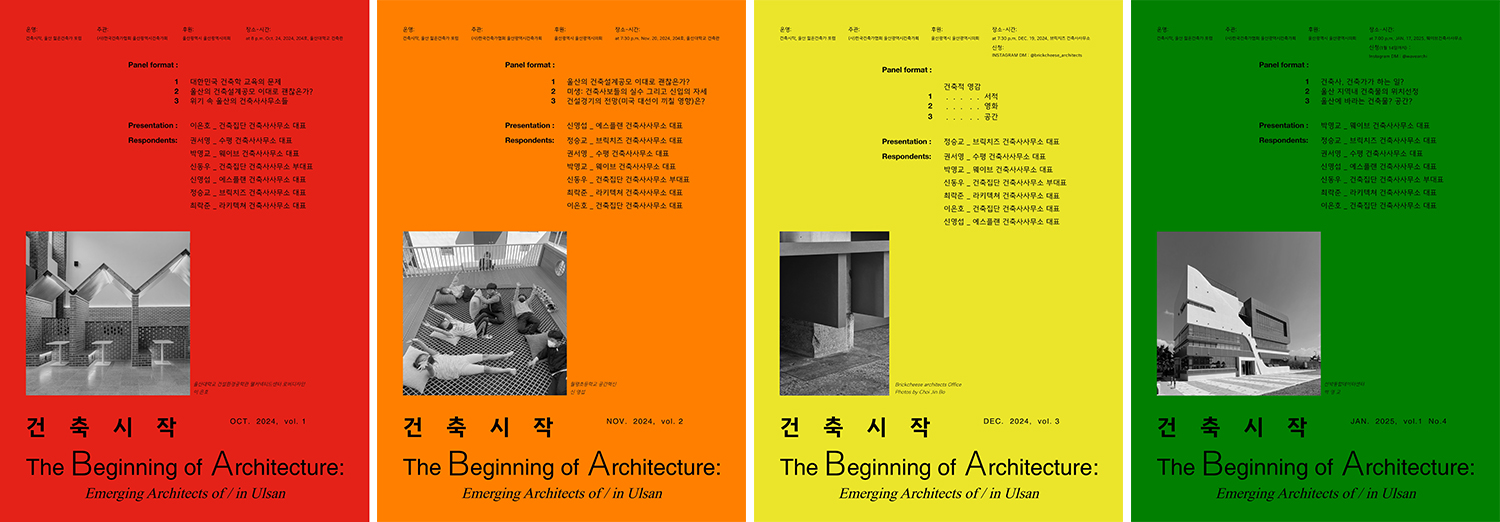
Kim: Since 2024, you have also been active as a first-genration member of The Beginning of Architecture▼1, a group consisting of seven young architects in Ulsan.
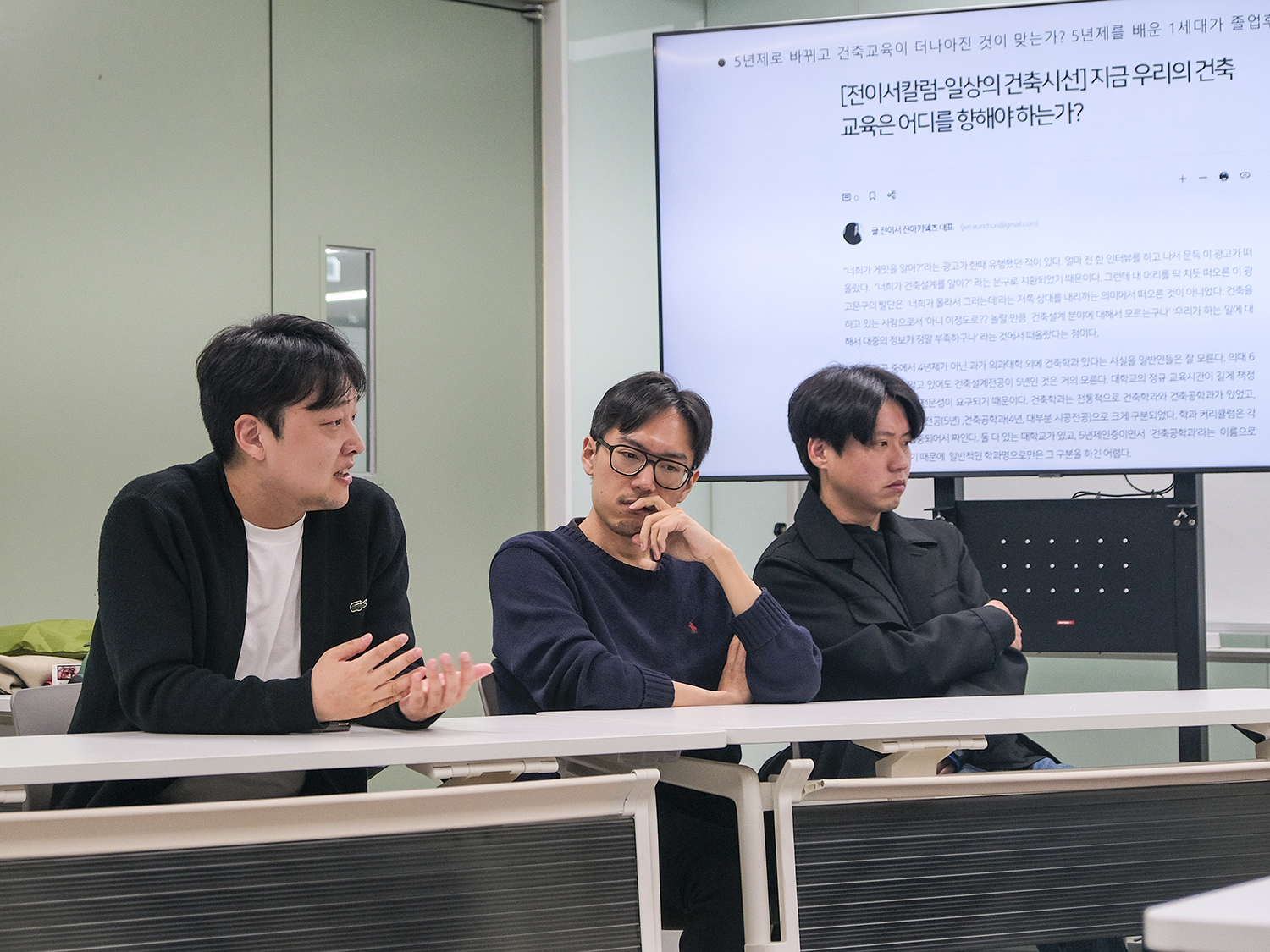
Shin: Although we individually run our own firms now, we all graduated from the same undergraduate programme. There is a common perception that Ulsan is a boring city with nothing to do, but, at a certain point, the young architects from Ulsan who had been working elsewhere started to return to the city. Our professors also found this phenomenon hard to explain. One day, Yoo Myounghee, the Vice President of the Korean Institute of Architects at the time, visited each of us and made a proposal. She wanted to create a forum where young architects could discuss and exchange ideas. We were simply fearless and we thought it might be interesting to try, so we gladly accepted. We held monthly sessions where each of us would present a topic and lead a discussion, in a format open to both architectural assistants and students based in Ulsan.
Kim: Recently you have been focusing on reading and interpreting urban space through mapping, and you also teach this approach in the design studio at the University of Ulsan, where you are teaching as an Adjunct Professor.
Shin: When conducting a preliminary spatial investigation, it is difficult to fully understand the contemporary built environment simply by collecting objective information. We must conduct an investigation into the urban spaces of today by considering the underlying socio-cultural contexts or socio-political contexts that inform the city. Mapping is the tool for that. Sometimes, in architecture, there is prescribed thinking that a certain space must be created in a specific way. However, this often fails to reflect changing socio-cultural trends, the shifting historical contexts, and people’s evolving perceptions. Rather than simply following the relationships embedded in architecture’s prescribed thinking or already fixed parameters, I believe architects should be able to redefine the relationships within the information they collect and construct new meanings from each aspect. I teach mapping to students as a tool to achieve this.
Kim: You also collaborate frequently with people at the university. For instance, you won third prize at Alternative-city Idea Competition 2022 in collaboration with Professor Choi Jungwoo.
Shin: It was a project carried out by the three of us: Professor Choi Jungwoo, a student researcher who has since graduated, and I. The competition asked for proposals for a sustainable alternative city. We tried to address regional decline by connecting three cities, Ulsan, Gyeongju, and Pohang. The medium for this connection was the non-operational railway stations and abandoned railway lines that had become problems in each of the three cities. We also considered the future flow of hydrogen, since hydrogen trams were scheduled to begin operating in Ulsan starting in 2029. Although the three cities have different identities, we intended for goods to be transported and infrastructure to be established through this medium. We proposed a linear city wherein the route itself becomes the city. The mapping method I speak of was employed here; I define mapping as the entire process, including writing texts, collecting and processing photos. It’s not just the representation of 2D space.
Kim: Do you also use mapping when designing public architecture?
Shin: In reality, it is difficult to apply the kind of mapping I talk about in public competitions organised by domestic institutions. First of all, the competition periods are very short, and firms must respond quickly to each one. Of course, even without mapping, we still carry out extensive investigations and data collection. Sometimes we layer texts or images over the changing urban spatial structure across timelines. Although we did not win this competition, when we prepared for the Changwon Municipal Sangbok Park Third Columbarium Competition in 2023, we traveled to the Netherlands and Belgium
to visit various crematoriums and columbaria as part of our study.
Kim: You have also participated in several architecture competitions seeking new housing types for young people.
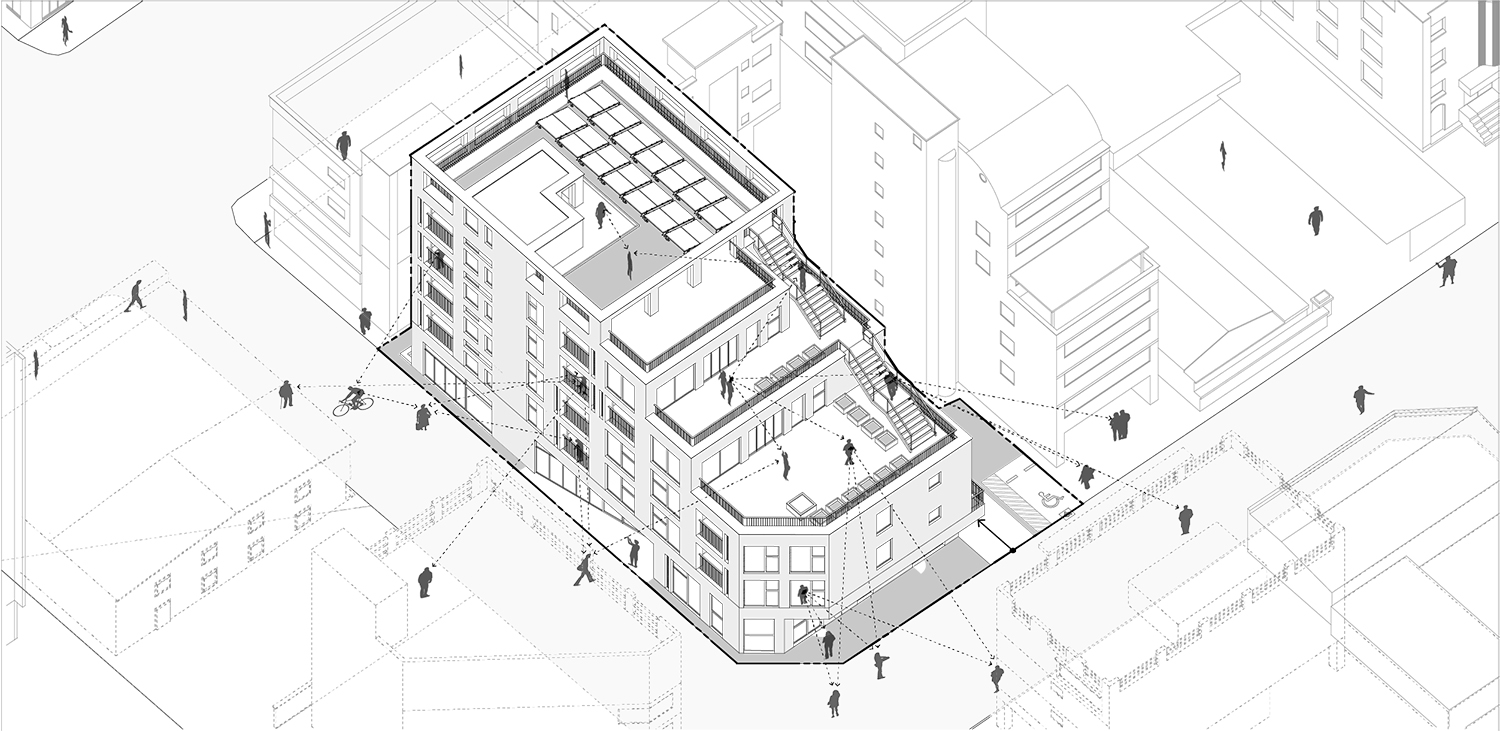
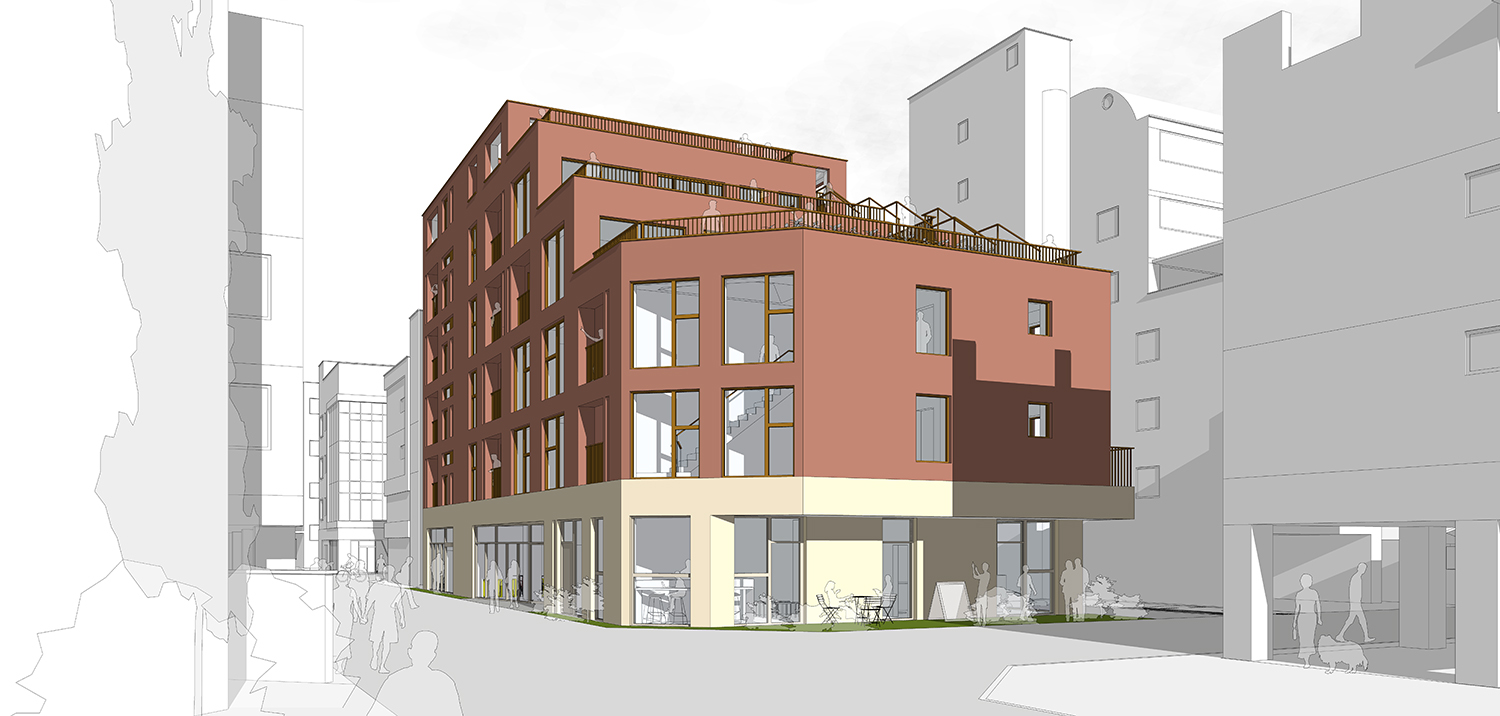
Shin: The Sinjeong-dong Youth Hope Housing (2022) project was a competition I worked on with Lee Eunho before I formally joined the office. Since both of us are from outside Seoul, so when we first began working here we had to move from one place to another without any local ties. I also experienced this when I went abroad to study. The youth housing I experienced in the Netherlands seemed like a good model. At an affordable price, residents could choose from various views, and there were many unit types to choose from depending on their budget. I thought this format was very reasonable. Rather than trying to explain the process of deriving a formal concept from external conditions in diagrams, we wanted the composition and internal order of the affordable housing to convey diverse lifestyles. What mattered was the assembly of units, where individual parts come together to form the whole. Essentiallly, we were designing a community. Through the generative process in which parts come together to form a whole, we tried to reflect contemporary socio-cultural contexts and socio-political contexts as clearly as possible. Only then, architecture can acquire social meaning. One thing we may have overlooked was that in the Sinjeong-dong Youth Hope Housing project the terrace gardens were arranged diagonally along the exterior façade. Since there were no regulatory constraints requiring this diagonal form, the façade may have appeared puzzling to the jurors. Afterwards, the people in the office gathered together, spread out the design report, and held a self-critical appraisal. (laugh) Even if this particular approach was not successful, we tried to think about how it might be refined in different ways next time and searched for new possibilities. After all, architecture isn’t just about a single physical building. The stories we weren’t able to conclude in one project can always be continued in another.
Dongwoo Shin
Kim: As an architect, what kind of dream would you like to achieve?
Shin: I’m not sutre whether it will be possible, but someday I would like to establish a non-institutional architecture school in the southern region in Korea or in Ulsan that does not follow the existing architectural education accreditation system. That is how the AA School started, after all. With a Master’s degree as a prerequisite, students wouldn’t just attend school; they would also work half of the time at firms through formal agreements. It would be great to move beyond the current accreditation system and have the diploma itself serve as a license. I want to be with people of all ages and backgrounds who share a similar awareness of issues, because those people will eventually become my colleagues.
_
1 The first-generation members of The Beginning of Architecture include Lee Eunho; Dongwoo Shin (Principal and Associate Partner, Archicolony); Kwon Seo Young (Principal, Horizontality Architecture); Rakjoon Choi (Principal, rakitecture); Shin Yeongseob (Principal, S.PLAN rchitecture); Jung Seung Kyo (Principal, Brickcheese Architects); and Park Youngkyo (Principal, Wave Architecture).
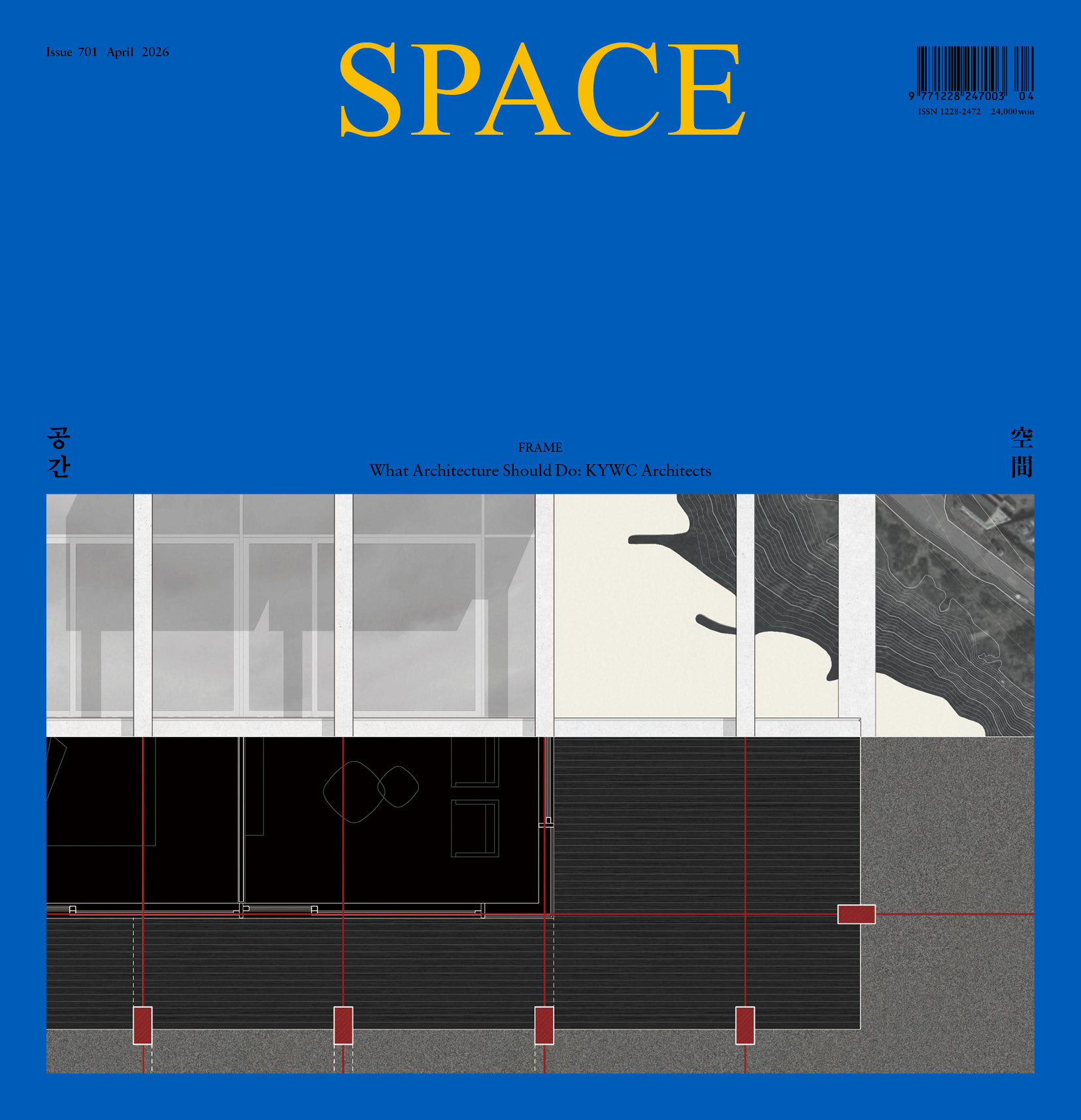
You can see more information on the SPACE No. April (2026).
Dongwoo Shin
Dongwoo Shin is an architect and educator based in Ulsan, Korea. His interests intersect across mapping and architectural methodology, with close attention to power and technological relations that shape today’s spatial conditions. Currently, he focuses on how post-representational mapping can contribute to the social or political contextualisation of architecture, moving beyond the material understanding of contemporary built environments.